System overview

info

Everything you need to understand the ecosystem — care, progression, rarity, and the strange story behind the aliens.

Features

How the aliens system works

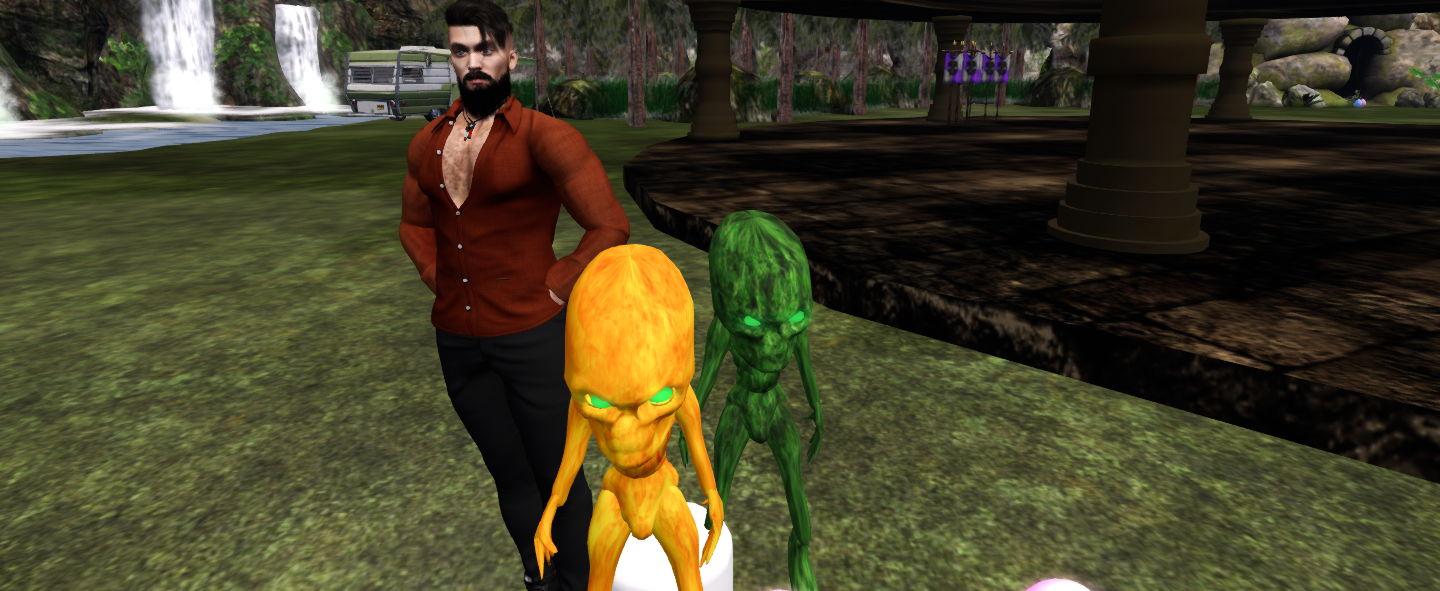
Metariki Aliens are living collectibles within Second Life. They grow, carry inherited traits, respond to care, and build value through rarity, bloodlines, account progression, and ongoing activity.

Genetics

Every alien carries structured traits such as coat, eyes, horns, and tail. These traits help define appearance, individuality, and long-term breeding potential.

Coat Inherited Eyes Inherited Tail Optional Horns Optional

Tiers

Each alien belongs to a rarity tier, giving collectors a clear sense of scarcity and desirability across the wider ecosystem.

COMMON UNCOMMON RARE ULTRA RARE LEGENDARY

Feeding & care

Aliens need ongoing care. Feeding is part of responsible custodianship, and the orange / green energy system influences development in meaningful ways.

Energy OG Orange Energy OG Green

Growth stages

Aliens progress through life stages over time, giving the collection a sense of life and continuity rather than feeling like static objects.

Stage Egg Stage Baby Stage Adult Stage Elder

XP & alien points

Your account also progresses as you take part in the ecosystem. XP reflects activity and growth, while Alien Points give players another reward layer tied to play and participation.

This adds a collector progression loop beyond simply owning the aliens themselves.

Collectibles game

The aliens ecosystem also connects into collectibles and exploration-based play, adding another reason to log in, travel, search, and interact regularly.

This turns the project into a broader world rather than a single hatch-and-forget product.

A system built for long-term collectors

Traits, tiers, family lines, account progress, and care systems all work together to make each alien feel like part of a larger evolving population.

You are not manufacturing them. You are discovering them, protecting them, and helping guide what happens next.

Beginner’s Guide

Using the aliens HUD

The Aliens HUD is your main control panel for your collection. It lets you view your account progress, inspect the currently selected alien, and carry out actions such as renaming, mating, movement control, retirement, and extermination.
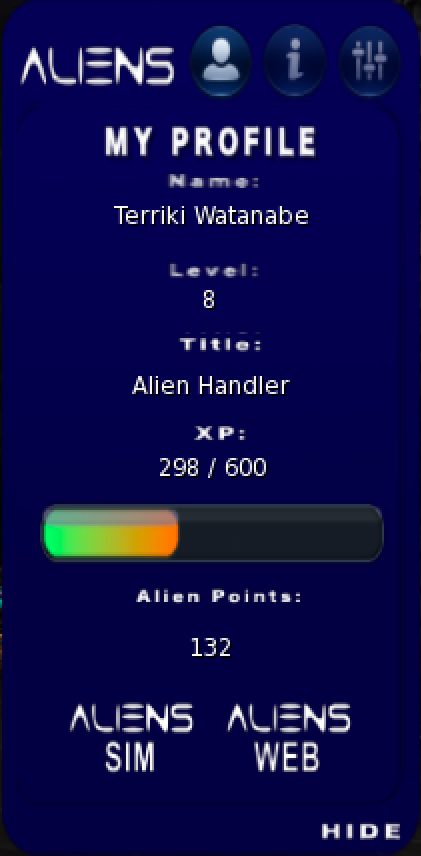
Aliens HUD profile page
Profile Page

My Profile

This is your account overview page. It shows your account name, current level, title, total XP, progress bar, and Alien Points.

What’s on this page:

  • Name — your linked account or player name.
  • Level — your current account level.
  • Title — your current collector rank, earned through progression.
  • XP — your current experience progress toward the next level.
  • Alien Points — points earned through gameplay and system actions.
  • Aliens Sim — opens teleport to in-world Aliens sim.
  • Aliens Web — opens the website.

How to use it:

  • Use this page to track your overall progress in the Aliens system.
  • Check your XP bar to see how close you are to your next level.
  • Use the quick links at the bottom to visit the Aliens sim or website.
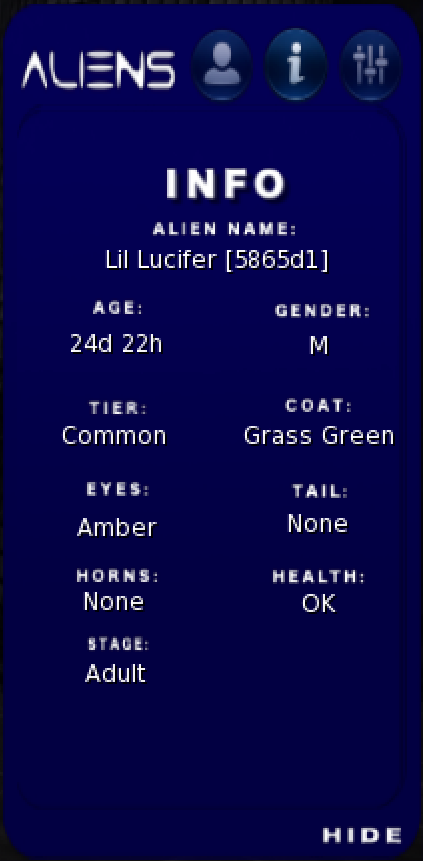
Aliens HUD info page
Info Page

Selected Alien Info

This page displays the details of the currently selected alien. It is the quickest way to inspect an alien’s identity, traits, status, and stage.

What’s on this page:

  • Alien Name — the name of the selected alien, including its short ID.
  • Age — how long that alien has existed.
  • Gender — male or female.
  • Tier — the alien’s rarity tier.
  • Coat — the coat trait.
  • Eyes — the eye trait.
  • Tail — the tail trait, if present.
  • Horns — the horn trait, if present.
  • Health — current condition, such as OK, Hungry, or Sick.
  • Stage — life stage, such as Egg, Baby, Adult, or Elder.

How to use it:

  • First select an alien in-world so the HUD knows which one you want to inspect.
  • Use this page to compare traits, check health, and confirm stage before making decisions.
  • This is especially useful before breeding, retiring, or managing a specific alien.
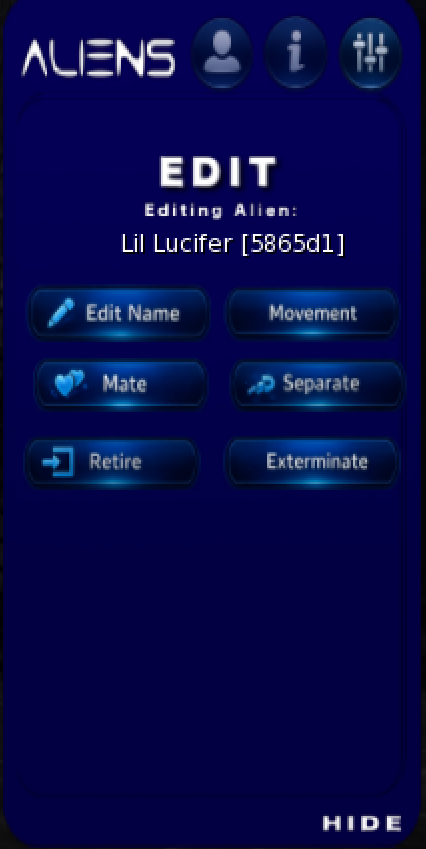
Aliens HUD edit page
Edit Page

Alien Actions

This page contains the main action buttons for the currently selected alien. It is where you manage name changes, movement, breeding links, retirement, and removal.

What’s on this page:

  • Edit Name — rename the selected alien.
  • Movement — adjust the alien’s movement behaviour.
  • Mate — pair the selected alien with a valid breeding partner.
  • Separate — remove an existing partner link.
  • Retire — retire the alien from active breeding / collection use.
  • Exterminate — permanently remove the alien.

How to use it:

  • Make sure the correct alien is selected before pressing any button on this page.
  • Use Edit Name when you want to personalise your alien. You can do this any many times as you like, the name will update in the database immediately.
  • Use Mate only when you are ready to pair two suitable aliens.
  • Use Separate if you want to clear an existing pairing. Remember! Seperate BOTH partners to separate properly.
  • Use Retire when you want to move an alien out of active use without deleting it. This makes the Alien a 'forever pet'. The Alien won't breed and doesn't need food. REQUIRES A RETIREMENT TOKEN!
  • Use Exterminate with care, as this is intended to remove the alien completely.
    IMPORTANT! This should be the ONLY METHOD that you use to delete Aliens. Deleting Aliens the conventional SL method will not earn you any Alien points and leave the Alien in the database - not deleting it properly. PLEASE USE THE EXTERMINATE BUTTON TO DELETE.
Breeding
Beginner’s Guide

More on breeding

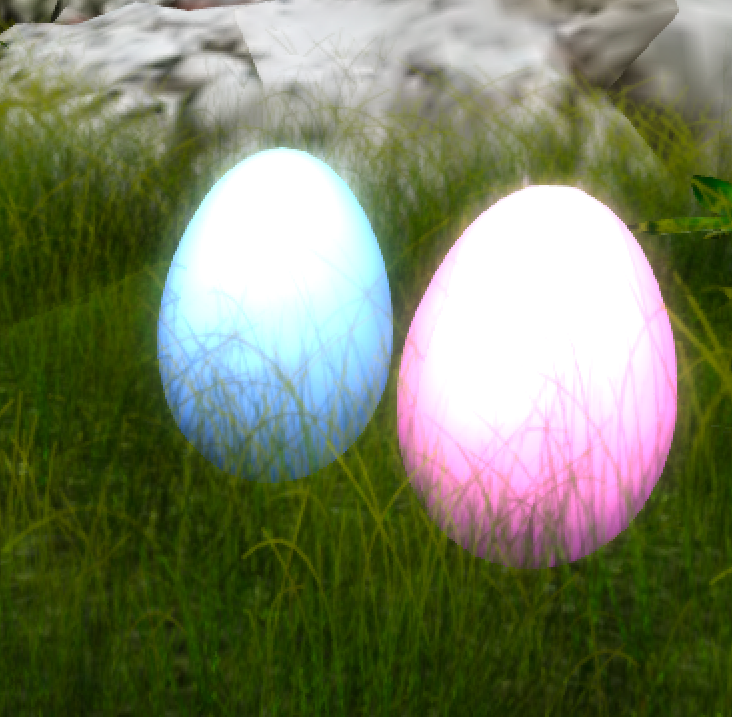
Breeding is one of the core parts of the aliens ecosystem, but it follows clear rules. Not every alien can breed immediately, and pairings are designed to protect bloodlines while still allowing meaningful trait development.

Breeding rules:

  • Adult only — a female alien can only begin producing eggs once she has reached Adulthood.
  • Minimum age — adulthood for breeding begins at 5 days old.
  • Egg timing — once eligible and correctly paired, a female can produce eggs once every 5 days.
  • Old Age — a female can continue breeding until she has become an Elder (60 days), therefore is capable of producing 11 eggs (providing there are no pregnancy interruptions ie getting sick.)
  • Family safety rules — aliens cannot breed with their siblings or with their parents.

Food colour and breeding outcomes:

  • Green food supports the green family breeding path.
  • Orange food supports the orange family breeding path.
  • Fusion food allows for blended outcomes between the two colour families.

How to use this information:

  • Make sure the female has reached adulthood before expecting eggs.
  • Choose pairings carefully, as family restrictions prevent invalid matches.
  • Think ahead with feeding, because food colour can influence the direction of future offspring.
Collectible Flower
Beginner’s Guide

The alien collectible game

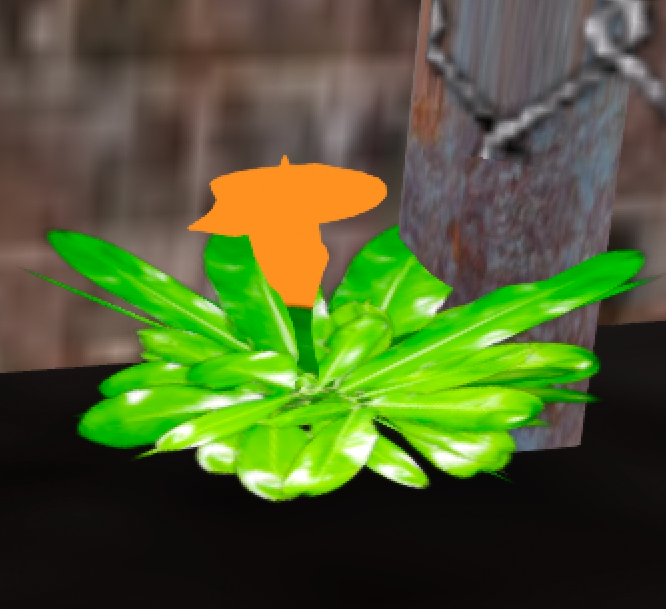
The aliens world includes a collectibles game that rewards exploration around the sim. Players can search for hidden objects and earn extra Alien Points, adding another layer of activity beyond care, collecting, and breeding.

How the game works:

  • Explore the Aliens sim and look for hidden flowers, mushrooms, and crystals.
  • When collected, these items reward you with extra Alien Points.
  • Alien Points are intended to be spendable on special Aliens items.

Why collectibles matter:

  • The game encourages players to explore the sim regularly rather than only managing aliens through menus.
  • It gives players another way to build progress and take part in the wider ecosystem.
  • The total number of collectibles gathered also contributes toward the discovery of new traits.

What this means for players:

  • Exploration can directly help your account progression.
  • Collecting is not just for points — it also supports the wider evolution of the aliens system.
  • Players who stay active in the sim may help unlock future trait discoveries over time.
Origins

How the aliens came to us

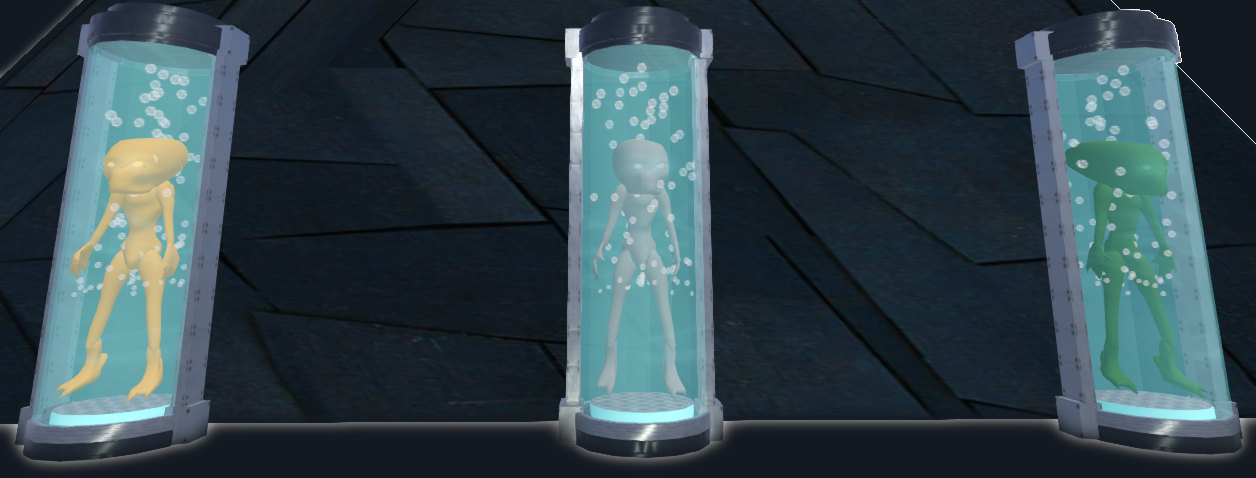
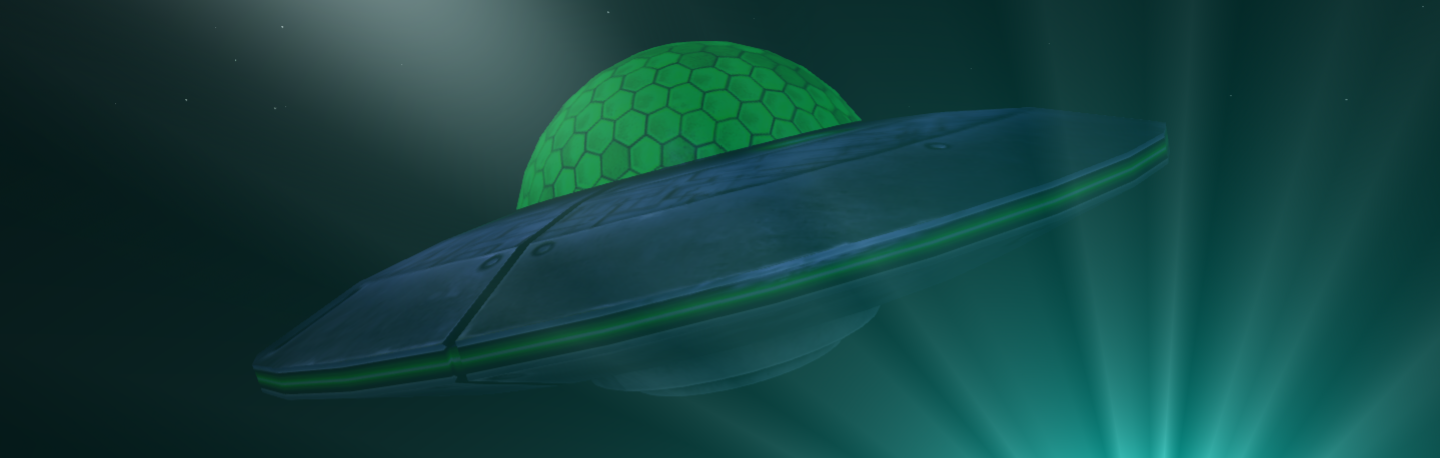
No one can say with certainty where the aliens came from. What we do know is that they did not begin here. They arrived silently, carried across the dark in a strange craft that came to rest within the station that now forms the heart of the Aliens sim. Since that day, everything has changed.

The first sighting is now part of station history. A damaged vessel, unlike anything our researchers had ever catalogued, was discovered drifting on the edge of local space before being drawn into containment. Its outer shell was smooth, dark, and almost organic in appearance, as though it had been grown rather than built. Inside were living specimens: quiet, watchful beings with soft grey colouring, unknown biology, and behaviour unlike any other lifeform we had encountered.

Space Craft

The station laboratory

The craft and its occupants were transferred into the station’s central laboratory, where the first controlled observations began. At first, the aliens appeared calm but difficult to understand. They showed little interest in ordinary food sources and seemed almost completely indifferent to the environments around them. For a time, our scientists feared they might weaken and disappear before anything meaningful could be learned.

Then a pattern emerged.

Through repeated tests, the research team discovered that the aliens responded only to two food groups with any consistency at all: green and orange. Not only were they drawn to these colours, they appeared to prefer them instinctively, almost as if recognising something essential within them.

The first transformation

The original aliens were all grey. That was their natural, untouched state when they first arrived on the station. But after sustained feeding trials, changes began to appear. Grey skin tones slowly shifted. Hints of green emerged in some lines, warm orange tones in others. What first looked like staining or reaction soon proved to be something much deeper.

The aliens were not merely consuming the food. They were responding to it, adapting to it, becoming shaped by it.

A living response

This discovery changed the entire direction of the programme. Feeding was no longer viewed as routine care alone. It became one of the first keys to understanding alien development, inheritance, and variation.

Colour was not cosmetic. Colour meant change.

Laboratry

The beginning of the breeding programme

As the station team continued its work, it became clear that the aliens were not only adaptable, but capable of passing their traits into future generations. Their appearance, their tendencies, and perhaps even their strengths could be influenced over time. A structured breeding programme was established to study these patterns carefully.

Since then, our scientists have continued experimenting with food sources, ingredients, and colour pathways in the hope of encouraging stronger, rarer, and more diverse alien lines. Green and orange remain the foundation of what we know so far, but they may not be the end of the story. There is growing belief within the laboratory that the original grey form may represent only the beginning of a far wider biological spectrum still waiting to be uncovered.

Where did they come from?

The greatest mystery remains unsolved: their origin.

Some researchers believe the aliens were sent deliberately — a living archive launched from a distant civilisation, carrying adaptable biological life designed to survive by bonding with new environments. Others believe the craft was never meant to arrive here at all, and that what we found was part of an ancient migration route lost far beyond any known map.

There are even those on the station who whisper a more unsettling theory: that the aliens are scouts, not survivors, and that their changing forms are not simply adaptation, but preparation.

Deep Space

Custodians, not owners

As the programme expanded, one thing became clear. These beings could not remain the responsibility of the laboratory alone. They needed careful oversight, ethical breeding, attentive feeding, and long-term custodianship beyond the walls of the station.

That is where the community comes in.

Players have now been invited to take part in the breeding programme itself, not as simple collectors, but as trusted custodians of the aliens. With that role comes genuine responsibility. Every pairing, every feeding choice, every egg, and every generation contributes to the future of the species as we understand it.

Your role

As a custodian, you help guide bloodlines, support development, and care for living specimens whose biology is still only partly understood. Your decisions matter, and the effects of those decisions may carry forward into future generations.

The future

With each generation, the aliens reveal a little more of themselves. New combinations may emerge. New traits may yet be awakened. What began as a mystery aboard a silent craft has become a living ecosystem — and its future is now shared between the station and those entrusted to care for it.

Custodians

The station continues its research. The laboratory continues its work. And somewhere in the bloodlines of the aliens, hidden beneath grey, green, orange, and every future variation still to come, the truth of their origin may still be waiting.

Trait Frequency

Trait distribution across the grid

This page tracks the population frequency of each visible alien trait across all registered live aliens. As the population changes, these percentages will change too, giving custodians a live view of which traits are widespread, established, scarce, or exceptionally hard to find.

Aliens scanned 73 Traits discovered 6 Updated 2026-07-03 19:44
Visual Traits

Coat Traits

The dominant body colour line currently expressed across the alien population.

coat image

Grey

Original landing form

41.1%
30 aliens
Widespread
coat image

Grass Green

Green-fed line

27.4%
20 aliens
Widespread
coat image

Orange Fury

Orange-fed line

26.0%
19 aliens
Widespread
Visual Traits

Eye Traits

Eye traits provide one of the clearest visible markers of alien variation.

eyes image

Amber

Orange eye line

52.1%
38 aliens
Widespread
eyes image

Verdant

Green eye line

42.5%
31 aliens
Widespread
Structural Traits

Horn Traits

Horns are structural variations and may become some of the most desirable collector traits.

horns image

None

No horn expression

100.0%
73 aliens
Widespread
Structural Traits

Tail Traits

Tail traits remain one of the most closely watched signs of diversity within the breeding programme.

tail image

None

No tail expression

98.6%
72 aliens
Widespread
tail image

Green

Structural tail variation

1.4%
1 aliens
Exceptional

These frequency labels describe how often traits currently appear in the live population. They are separate from an individual alien’s stored tier. Percentages are calculated from currently active aliens in the database. Eggs and inactive / retired aliens are not counted in these figures.